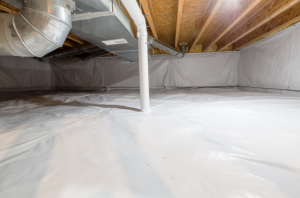
crawlspace encapsulation gallatin, tn
Between heavy rains, rising humidity, and temperature swings, your crawlspace can turn into a moisture factory that feeds mold, attracts pests, and slowly damages floor framing and insulation.
That’s why spring is one of the smartest seasons to schedule crawlspace encapsulation—you can stop moisture before summer humidity peaks and before small issues become expensive repairs.
If you want a pro to take a look, here’s our service page: https://www.4elementsrenovations.com/services/crawl-space-encapsulation-services/
And if you’re ready to schedule: https://4elementsrenovations.com/contact/
Why spring is the best season for crawlspace encapsulation
Spring creates the perfect storm underneath your house:
-
Rain-saturated soil pushes moisture into crawlspaces
-
Warmer temps raise humidity quickly
-
Cool nights + warm days increase condensation risk
-
Allergy season makes indoor air quality problems feel worse fast
The Centers for Disease Control and Prevention recommends keeping indoor humidity no higher than 50% to help prevent mold growth—crawl spaces are one of the most common places humidity gets out of control.
Signs you should encapsulate your crawlspace (especially after winter)
If you notice any of these, spring is the time to act:
-
Musty smell in the house (especially after rain)
-
Floors that feel cold, bouncy, or “damp”
-
Visible condensation on ducts, pipes, or insulation
-
Sagging or falling insulation
-
Mold or mildew on joists/subfloor
-
Standing water or muddy soil
-
Increased pests (ants, spiders, rodents)
Even if you don’t see standing water, humidity alone can cause damage over time.
What crawlspace encapsulation actually is (simple explanation)
A true crawlspace encapsulation is a system, not just “plastic on the ground.” Done right, it typically includes:
-
Vapor barrier installed across the floor and sealed at seams
-
Sealing crawlspace vents and air leaks
-
Wall sealing / insulation strategy (varies by home)
-
Humidity control (often a dehumidifier)
-
Drainage improvements if needed (gutters/downspouts/grading/sump)
The U.S. Department of Energy specifically notes that crawl spaces benefit from installing a polyethylene vapor diffusion barrier to help prevent soil moisture migration into the crawlspace.
The spring encapsulation checklist (what a good contractor checks first)
Before installing a vapor barrier, the best results come from fixing the “water sources” first:
-
Are gutters and downspouts moving water away from the foundation?
(If not, this matters a lot: https://www.4elementsrenovations.com/services/gutter-services/) -
Are there low spots outside that funnel water toward the home?
-
Is there existing standing water that needs drainage/sump solutions?
-
Are there plumbing leaks or HVAC condensation issues?
A quality encapsulation starts with moisture control, not just covering it up.
What you gain from crawlspace encapsulation
1) Lower humidity + less mold risk
The U.S. Environmental Protection Agency emphasizes moisture control as a core strategy for healthier buildings—because moisture is what enables mold and material deterioration in the first place.
2) Better comfort and more consistent indoor temperatures
Encapsulation reduces the “cold floor” effect and helps your HVAC system not fight damp air.
3) Protects the structure
Less moisture = lower risk of wood rot, warped subflooring, and long-term framing damage.
4) Cleaner indoor air
A surprising amount of indoor air can come from below the house—so improving crawlspace conditions often improves the whole-home environment.
Crawlspace encapsulation vs. vapor barrier only (important difference)
A basic vapor barrier is better than bare dirt, but spring moisture and summer humidity can still overwhelm a crawl space if vents are open and air leaks remain.
A full encapsulation typically includes sealing + humidity control + drainage awareness.
If you’re not sure which your home needs, this is where a quick inspection saves money.
How long does crawlspace encapsulation take?
Most projects are completed in 1–3 days, depending on:
-
Crawlspace size and access
-
Whether old insulation/debris removal is needed
-
Drainage/sump work (if required)
-
Dehumidifier install and electrical access
Cost factors (what changes your price the most)
Crawlspace encapsulation cost depends on:
-
Square footage and height/clearance
-
Amount of sealing (vents, penetrations, rim joist areas)
-
Condition (mold, debris, damaged insulation, wood repairs)
-
Drainage needs (standing water, sump, grading problems)
-
Humidity control setup
The best approach is pricing it from an inspection + measurements, not guessing from a “per square foot” number alone.
Spring homeowner tips: how to prep before your inspection
-
Walk the perimeter after a rain—note puddles near the foundation
-
Check downspout discharge points (are they dumping right beside the house?)
-
Take a quick look in the crawlspace (if safe): standing water, wet insulation, musty odor
-
Write down any indoor symptoms (musty smell, allergies, cold floors)
Crawlspace encapsulation in Gallatin and surrounding Middle Tennessee
If you’re in Hendersonville, Nashville, or nearby areas, spring is the ideal season to lock in crawlspace protection before summer humidity spikes.
-
Crawlspace service page: https://www.4elementsrenovations.com/services/crawl-space-encapsulation-services/
-
Another helpful local read: https://www.4elementsrenovations.com/crawlspace-encapsulation-in-gallatin-tn/
-
Areas we serve: https://www.4elementsrenovations.com/areas-we-serve/
-
Book an inspection: https://4elementsrenovations.com/contact/
FAQ: Crawlspace encapsulation in spring
Is spring better than summer?
Usually yes—spring lets you fix moisture problems before peak humidity hits, which can reduce mold risk and musty odors.
Do I still need gutters if I encapsulate?
Absolutely. Encapsulation works best when roof runoff is controlled and directed away from the foundation.
Will encapsulation help energy efficiency?
It often can, especially when paired with proper air sealing and insulation strategy.